
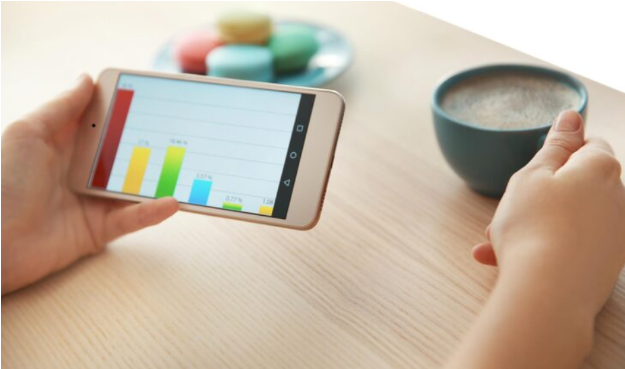
A daily mood tracker is a simple but powerful tool that helps you record and observe your emotions throughout the day. By noting how you feel at different times, you can better understand what affects your mood and why certain changes happen. Over time, this habit creates a clear picture of your emotional health. It supports self-awareness, personal growth, and helps you make better decisions in your daily life.
Understanding Your Emotions Day by Day
Tracking your mood every day helps you notice how your emotions change in different situations. Instead of guessing how you feel over time, you get a clear record of your emotional state. A daily mood tracker allows you to reflect on your feelings honestly and consistently. This helps you understand whether you are mostly calm, stressed, happy, or tired during specific periods. With this awareness, you start to see patterns that might otherwise go unnoticed, helping you gain a deeper understanding of your inner emotional world.
How a Daily Mood Tracker Builds Awareness
Using a daily mood tracker regularly increases your emotional awareness. When you take a moment each day to record your feelings, you become more mindful of your mental state. This practice encourages you to slow down and pay attention to your emotions instead of ignoring them. Over time, this awareness helps you recognize subtle changes in mood and understand how your thoughts and environment influence your feelings. It becomes easier to connect your daily experiences with your emotional responses in a meaningful way.
Identifying Emotional Triggers and Patterns
A daily mood tracker helps you identify what triggers certain emotions. You may begin to notice that specific events, people, or routines affect your mood in predictable ways. For example, stressful workdays may lead to low energy, while relaxing activities improve your mood. By tracking consistently, you can clearly see these patterns develop over time. This understanding allows you to make small changes in your lifestyle to avoid negative triggers and increase positive experiences that support emotional balance.
Improving Mental Well-Being Through Insights
When you use a daily mood tracker, you gain valuable insights into your mental well-being. These insights help you understand what improves your mood and what brings you down. As a result, you can make better choices that support emotional health. You may start prioritizing rest, hobbies, or meaningful connections with others. This process helps reduce stress and supports a more balanced and positive mindset in your everyday life.
Building a Healthy Routine With Mood Tracking
A daily mood tracker can easily become part of your daily routine. It only takes a few minutes, but the benefits grow over time as you stay consistent. This small habit helps you stay connected with your emotions and encourages regular self-reflection, making it easier to manage your emotional health.
Conclusion
In conclusion, a daily mood tracker is a simple yet effective way to understand your emotional patterns. It helps you become more aware of your feelings, recognize triggers, and improve your overall well-being. By making mood tracking a daily habit, you build a stronger connection with yourself and support long-term emotional balance and personal growth.