
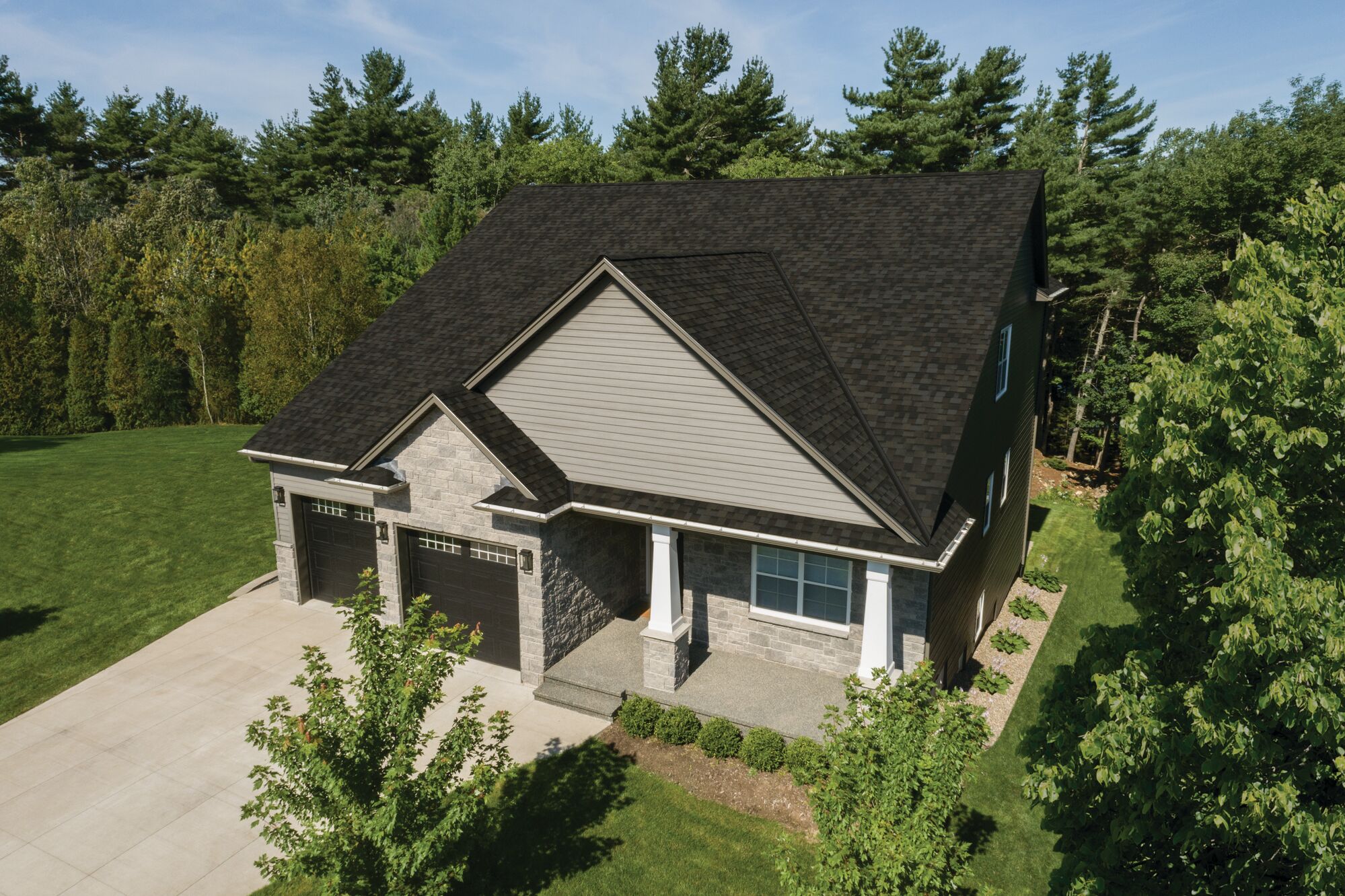
Your home’s roof is continuously exposed to harsh environmental elements, including scorching sun, heavy rainfall, freezing temperatures, and high winds.
Because it serves as your property’s primary shield against weather degradation, addressing damage swiftly is vital for protecting your family and financial investment.
While every roofing material eventually encounters wear and tear, adopting proactive repair habits can prevent minor issues from escalating into major structural failures. Below are six essential strategies to help you effectively manage and execute necessary repairs on your property.
1. Handling Unexpected Damage Through Prompt and Professional Roof Repairs
When minor leaks or missing shingles appear, ignoring them is a costly mistake that allows moisture to penetrate your attic insulation and rot wooden decking.
Engaging qualified specialists for timely roof repairs ensures that small vulnerabilities are addressed before they expand into widespread structural damage.
Expert technicians possess the specialized tools and technical expertise required to seal cracks, replace torn flashing, and restore your roof’s weather resistance effectively.
2. Protecting Home Integrity With Specialized Residential Roofing Expertise
Understanding the unique structural requirements of home architecture is the foundation of effective roof restoration.
Implementing professional residential roofing practices ensures that every repair component—from underlayment layers and valley seals to shingle overlap—is optimized to withstand local weather patterns.
Proper repair techniques and meticulous craftsmanship eliminate structural weaknesses and ensure long-term durability for your living space.
3. Conducting a Safe and Thorough Initial Damage Assessment
Before calling a contractor or attempting any maintenance yourself, it is important to assess the scope of the problem safely. Conduct a visual inspection from the ground using binoculars to check for missing shingles, cracked tiles, or granule accumulation in your gutters.
If it is safe to enter your attic during dry weather or following a rainstorm, use a flashlight to check for water stains, damp insulation, or active drips, as pinpointing the exact source of a leak is critical.
4. Documenting Damage Meticulously for Insurance Claims
If your roof issues stem from a severe hailstorm, fallen tree branches, or high winds, insurance coverage may help offset repair costs. Immediately document all visible damage by taking clear, high-resolution photographs and videos of both the exterior roof and any resulting interior water stains.
Maintain a detailed written timeline of when the damage occurred and keep copies of any temporary tarping receipts to support your insurance claim smoothly.
5. Hiring Certified Contractors and Verifying Credential Compliance
Never trust your roof repairs to an unverified, door-to-door handyman offering suspiciously cheap quick fixes. Always research local roofing companies, check their online consumer reviews, and verify that they hold active state licenses and comprehensive liability insurance.
Requesting proof of workers compensation coverage protects you from financial liability if an accident occurs on your property, ensuring you partner with a reputable professional.
6. Implementing Preventative Maintenance After Repairs Are Complete
Once your immediate roof repairs are successfully finished, shifting your focus to preventative care will save you thousands of dollars in the long run. Schedule professional roof inspections at least once a year, particularly after harsh winter or storm seasons pass.
Keeping your gutters clear of leaves, trimming overhanging tree branches away from your roofline, and clearing debris regularly prevents standing water and extends the overall operational lifespan of your roofing materials.