
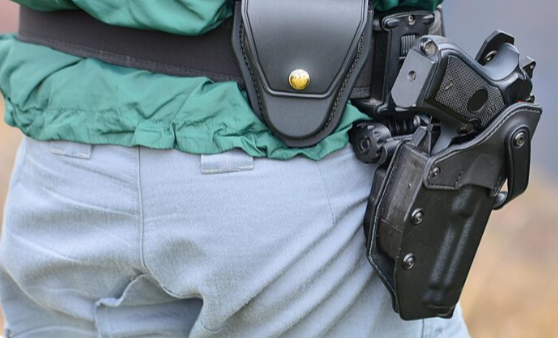
Choosing the right method for concealed carry is a significant decision that impacts both personal safety and daily comfort. Among the various options available, inside the waistband gun holsters are widely regarded as one of the most effective ways to keep a firearm hidden while maintaining quick access.
However, selecting a specific model requires careful thought, as a poorly chosen holster can lead to discomfort, printing, or even safety risks. By evaluating the following five factors, you ca find a carry solution that fits your lifestyle and your equipment perfectly.
1. Material Selection and Durability
The material of the holster dictates how it feels against your skin and how well it protects the firearm. Traditional leather is often praised for its comfort and ability to mold to the shape of the wearer over time, though it requires regular maintenance.
On the other hand, modern Kydex or polymer options provide a rigid, consistent structure that does not collapse when the firearm is drawn.
Many users of inside the waistband gun holsters prefer hybrid models, which feature a soft leather or mesh backing for comfort against the body combined with a hard shell for secure retention and trigger protection.
2. Retention and Trigger Guard Security
Safety is the most critical factor in any holster design. A quality holster must completely cover the trigger guard to prevent any accidental discharges while the firearm is being carried or drawn. Furthermore, the holster should offer adequate retention to keep the gun securely in place during physical activity.
When testing inside the waistband gun holsters, ensure that the firearm clicks into place or is held firmly enough that it will not fall out if you lean over or run, yet remains easy to draw when intentional force is applied.
3. Comfort and Body Contouring
Since this type of holster is worn between your undergarments and your trousers, comfort is paramount. A bulky or sharp-edged design will quickly become unbearable during a long day of wear. Look for holsters with smooth edges and a sweat guard that protects the slide of the gun from body moisture.
The thickness of the material also plays a role; a thinner profile usually makes inside the waistband gun holsters much more comfortable for all-day use, especially for those with a more active lifestyle or those living in warmer climates.
4. Adjustability of Cant and Ride Height
Every individual has a unique body shape and a preferred draw angle. The ability to adjust the cant, which is the tilt of the holster, allows you to position the grip of the firearm for the most efficient draw and better concealment.
Similarly, adjustable ride height determines how deep the gun sits below the beltline. High-quality inside the waistband gun holsters allow for these minor tweaks, ensuring that the grip is accessible but the overall profile of the weapon does not bulge through your clothing, a phenomenon known as printing.
5. Attachment Methods and Belt Stability
The clips or loops that attach the holster to your belt are the foundation of the entire system. Plastic or steel clips should be strong enough to bite onto the belt and stay there during a draw. If the holster moves or shifts throughout the day, it can compromise your ability to reach the firearm in an emergency.
Ensure that the attachment hardware is compatible with the width of your carry belt. Some designs also offer tuckable clips, which allow you to tuck your shirt in over the holster for maximum concealment in professional environments.